
I Prescribe ……. learning about cytokine storms
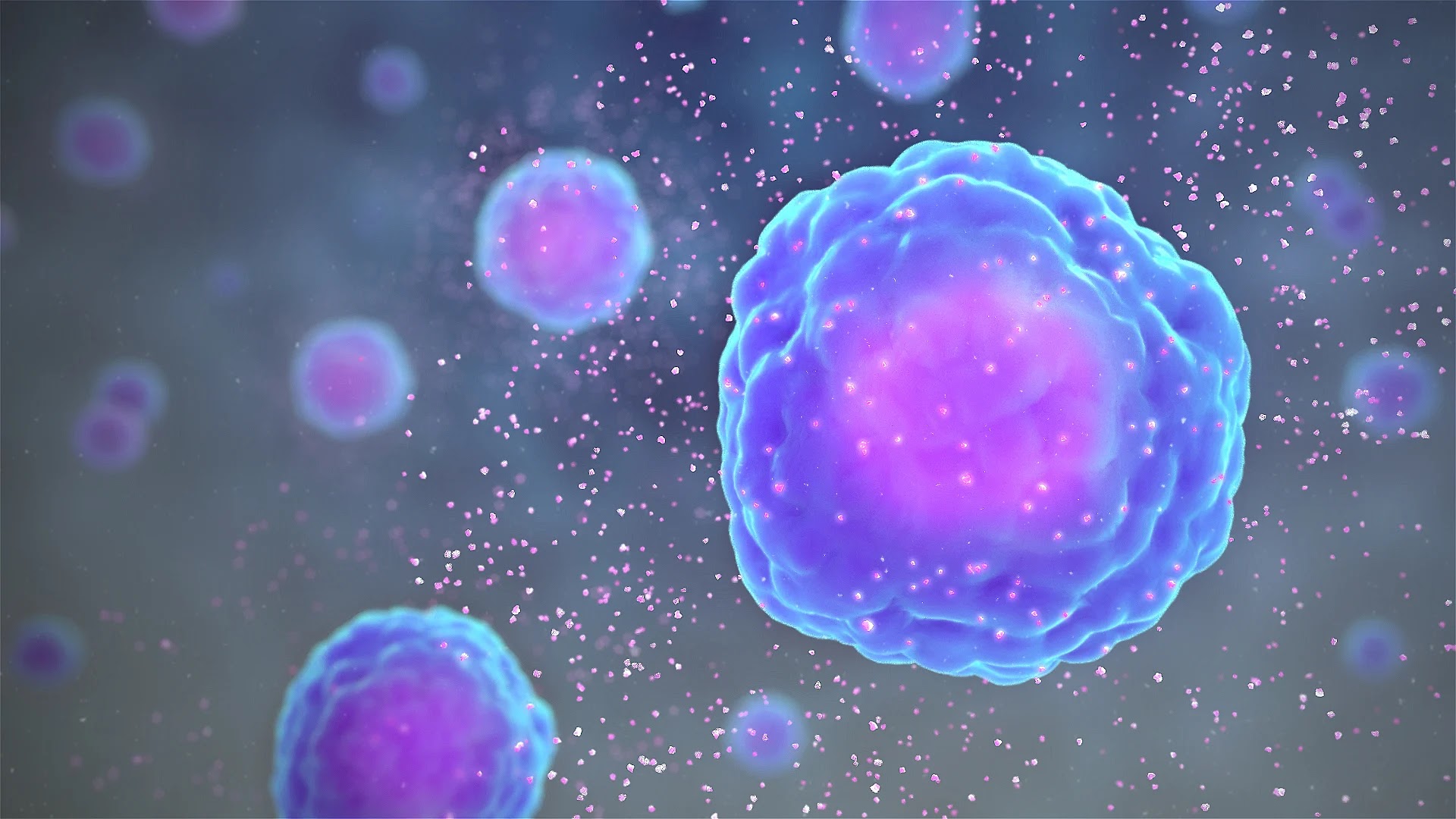
A cytokine storm refers to an excessive and uncontrolled release of pro-inflammatory cytokines, small proteins that are crucial for cell signalling in immune responses. When the immune system overreacts, the flood of these cytokines can result in systemic inflammation, tissue damage, and even multi-organ failure. This phenomenon can occur in response to infections (e.g., COVID-19, influenza, sepsis) or autoimmune conditions.


Effects on the Body
During a cytokine storm, the immune system’s response can become more harmful than the pathogen or trigger itself. The heightened immune response can cause:
1. Severe Inflammation: Excess cytokines can lead to tissue and organ inflammation, primarily in the lungs, heart, kidneys, liver, and brain.
2. Vascular Leakage: Cytokines can increase blood vessel permeability, causing fluid to leak into tissues, leading to edema and potential organ damage.
3. Acute Respiratory Distress Syndrome (ARDS): In the lungs, fluid leakage due to a cytokine storm can lead to ARDS, causing difficulty breathing and reduced oxygen exchange.
4. Multi-Organ Failure: As inflammation spreads and worsens, multiple organs can become impaired, leading to potential failure.
5. Shock and Death: In severe cases, systemic inflammation and organ failure can result in shock, and, if untreated, may be fatal.
Natural Ways to Modulate Cytokine Storms
Certain natural strategies and lifestyle adjustments may help mitigate the effects of a cytokine storm by reducing inflammation and supporting immune regulation. These approaches may not completely silence a cytokine storm but can potentially soften its impact:
1. Omega-3 Fatty Acids: Found in fish oils, omega-3s have anti-inflammatory effects and may help reduce cytokine production. They modulate immune responses by reducing the production of pro-inflammatory cytokines such as TNF-α and IL-6.

Reference: Omega-3 fatty acids have been shown to have anti-inflammatory properties through their role in producing specialized pro-resolving mediators (SPMs) that help resolve inflammation. (*Calder PC, et al. Nutrients. 2020.* PMID: 31936812)
2. Curcumin (Turmeric): This polyphenol has anti-inflammatory and antioxidant properties that can downregulate inflammatory cytokines such as IL-1, IL-6, and TNF-α.

Reference: Curcumin modulates various inflammatory markers and has shown to be protective in animal models of inflammation-induced organ damage. (*Hewlings SJ, Kalman DS. Foods. 2017.* PMID: 28930260)
3. Quercetin: A flavonoid found in fruits and vegetables, quercetin inhibits the release of pro-inflammatory cytokines like IL-6 and TNF-α. It also has antiviral properties, which can be beneficial in infections that trigger cytokine storms.
Fruits and vegetables are the primary dietary sources of quercetin, particularly citrus fruits, apples, onions, parsley, sage, tea, and red wine. Olive oil, grapes, dark cherries, and dark berries such as blueberries, blackberries, and bilberries are also high in quercetin and other flavonoids.

Reference: Quercetin has been demonstrated to inhibit cytokine production and has shown anti-inflammatory effects in several models of infection and inflammation. (*Jiang C, et al. Molecules. 2016.* PMID: 27187325)
4. Vitamin D: This vitamin plays a critical role in regulating the immune system. It can reduce the production of pro-inflammatory cytokines and promote anti-inflammatory responses.

Reference: Vitamin D helps modulate the immune system and reduce inflammatory cytokine production. (*Aranow C. J Investig Med. 2011.* PMID: 22071208)
5. Resveratrol: A polyphenol found in grapes and red wine, resveratrol has anti-inflammatory effects and can inhibit the activation of NF-κB, a key regulator of inflammation and cytokine production.

Reference: Resveratrol inhibits pro-inflammatory cytokines and NF-κB, thereby reducing systemic inflammation. (*Bhat KP, Pezzuto JM. Antioxid Redox Signal. 2002.* PMID: 11970850)
6. Probiotics: Probiotic bacteria like *Lactobacillus* and *Bifidobacterium* can help regulate immune responses and reduce inflammation by modulating gut microbiota and cytokine profiles.

Reference: Probiotics modulate systemic cytokine levels and can help maintain immune homeostasis. (*Gill HS, Rutherfurd KJ. Int J Food Microbiol. 2001.* PMID: 11205991)
Additional Considerations:
– Stress Management: Chronic stress can elevate pro-inflammatory cytokine levels, so practices such as meditation, yoga, and mindfulness may help keep inflammation in check.
– Adequate Sleep: Proper sleep is crucial for immune regulation. Sleep deprivation can lead to higher levels of pro-inflammatory cytokines.
– Herbal Adaptogens: Certain herbs like ashwagandha, Rhodiola, and holy basil are known for their ability to reduce stress and promote a balanced immune response.
Clinical Treatments
During a severe cytokine storm, medical intervention is crucial, often involving:
– Corticosteroids: These reduce inflammation and suppress the immune response.
– IL-6 Inhibitors: Drugs like tocilizumab can block specific cytokines that contribute to the storm.
– JAK Inhibitors: These drugs inhibit pathways involved in cytokine signaling.
For further information, you can explore the following resources:
– [NCBI: Cytokine Storms and Immune Responses](https://www.ncbi.nlm.nih.gov/)
– [PubMed: Curcumin’s Role in Immune Modulation](https://pubmed.ncbi.nlm.nih.gov/)
#NotaDoctor